How to Get Started With CPR and First Aid Training at Your Workplace
Workplace safety isn’t just about hard hats and caution signs. Medical emergencies can happen in any environment, offices, job sites, schools, warehouses, restaurants, and healthcare facilities. When a team member knows how to respond in the first critical minutes, it can reduce the severity of an injury, prevent complications, and in some cases, save a life.
CPR and First Aid training gives business owners, HR managers, and team leads a practical, repeatable plan for “what to do first” when something goes wrong—before EMS arrives. It also supports compliance goals, strengthens your safety culture, and helps your organization feel prepared instead of reactive.
Common Workplace Emergencies That CPR and First Aid Training Prepares You For
Emergencies don’t always look dramatic at first. Often, they start small, someone feels lightheaded, a slip happens, or a person begins coughing and can’t recover. The difference between “we panicked” and “we handled it” is training.
- Sudden cardiac arrest: CPR and AED use can keep blood and oxygen moving until professional help arrives.
- Choking: Quick recognition and proper response can prevent loss of consciousness and further complications.
- Falls and impacts: First Aid skills help stabilize injuries, manage bleeding, and reduce risk while waiting for EMS.
- Severe bleeding and lacerations: Knowing how to apply direct pressure and manage wounds can be critical.
- Burns and chemical exposure: Immediate first steps can limit tissue damage and reduce long-term effects.
- Allergic reactions: Training helps staff recognize warning signs and respond quickly.
- Heat illness and dehydration: Especially relevant for outdoor crews and hot work environments.
- Diabetic emergencies and fainting: Proper response can prevent escalation and improve outcomes.
Why Certification Makes Business Sense
Training is a smart operational decision. When more people know what to do, the workplace becomes more resilient. That matters for employee confidence, continuity, and leadership accountability.
CPR and First Aid certification can also support:
- Safety program goals: Build a stronger culture of preparedness and response.
- Reduced incident severity: Faster, more effective first actions can lessen complications.
- Team confidence: Employees feel safer knowing someone nearby can help.
- Leadership readiness: HR and team leads can implement a clear response plan rather than improvising.
Legal, Compliance, and Insurance Advantages
Requirements vary by industry and role, but many organizations benefit from having trained staff available, especially those with higher-risk environments or public-facing teams. Even when it’s not strictly mandated, CPR and First Aid training can strengthen documentation around safety preparedness and may support risk management and insurance conversations.
For example, training is commonly adopted (and sometimes expected) in settings like childcare, education, fitness centers, manufacturing, construction, security teams, and healthcare-adjacent workplaces. For offices and retail settings, it can be an easy, proactive way to improve safety readiness without disrupting operations.
How On-Site CPR and First Aid Training Works (And Why Teams Prefer It)
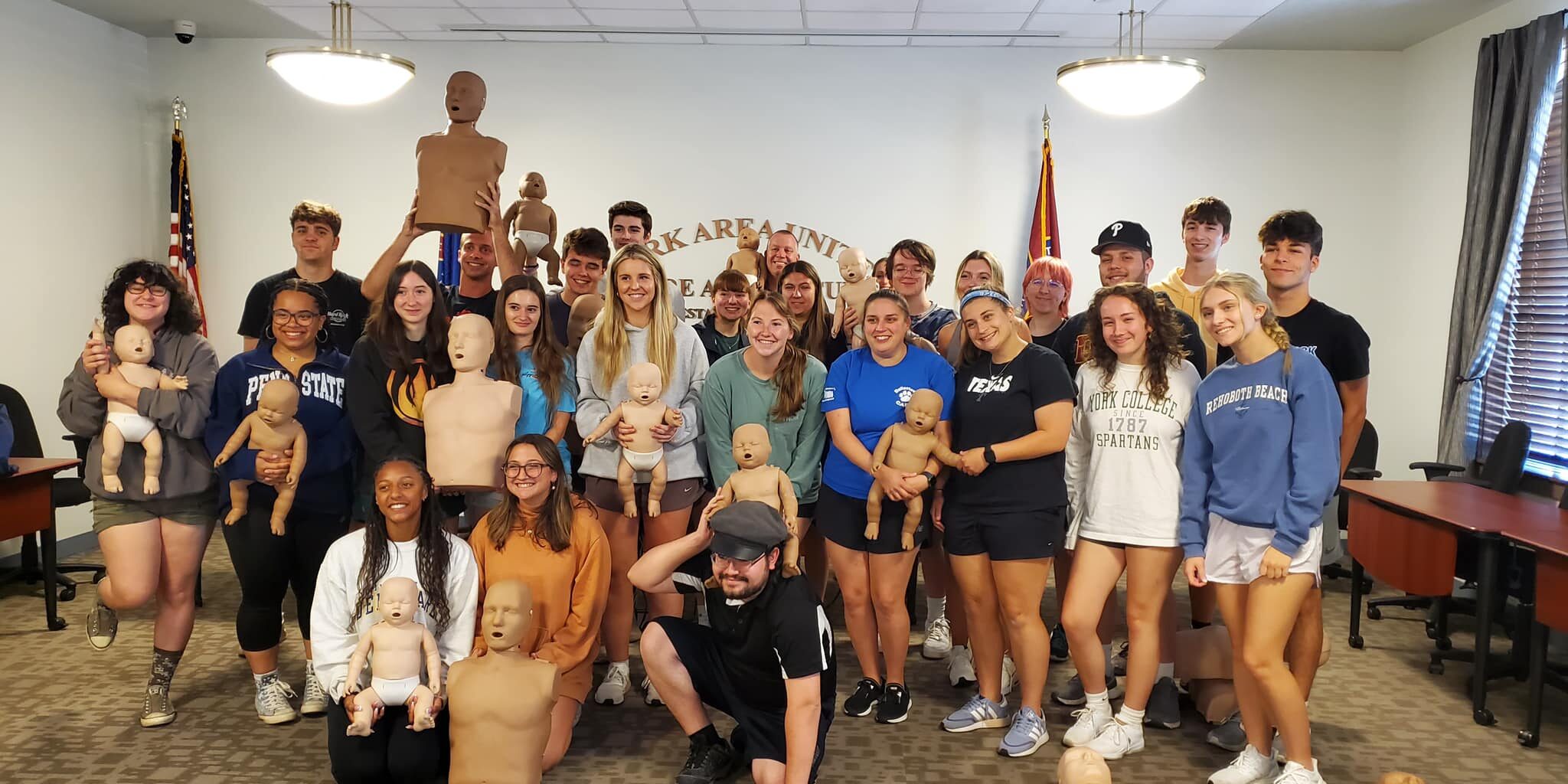
For many workplaces, on-site training is the easiest way to get everyone certified without sending employees off-site in different directions. Life Saving Certifiers can come to your workplace and train your group together, making it easier to schedule, track completion, and keep compliance simple.
Typical on-site training benefits include:
- Convenient scheduling: Choose a time that works for your team (workday, weekend, or split sessions when needed).
- Group training efficiency: Train multiple staff members at once so your organization isn’t piecing it together over weeks.
- Industry-relevant scenarios: Training can focus on the risks your team is most likely to face.
- Better participation: People learn more comfortably with their own team in a familiar setting.
- Cleaner documentation: HR can manage rosters and certification records in one place.
On-Site Training Examples by Industry
Different workplaces face different risks. Here’s how CPR and First Aid training commonly supports a few key industries:
- Offices and corporate teams: Response for cardiac events, fainting, choking, and basic injuries in break rooms and common areas.
- Construction and trade crews: Bleeding control, falls, heat illness, and quick stabilization for injuries until EMS arrives.
- Restaurants and food service: Choking response, burns, cuts, and awareness for allergic reactions.
- Childcare and schools: Child choking response, allergic reactions, asthma issues, and emergency readiness for staff.
- Gyms and fitness facilities: AED readiness, cardiac response protocols, and injury response in active environments.
- Warehouses and manufacturing: Injury response, bleeding control, crush injuries, and quick decision-making protocols.
- Healthcare-adjacent workplaces: Reinforcing emergency basics for staff in clinics, dental offices, and outpatient settings.
How to Choose the Right CPR and First Aid Training Provider
Not all training providers are the same. The best option is the one that fits your workplace schedule, supports your compliance needs, and delivers clear, hands-on instruction your team will actually remember.
When evaluating a provider, look for:
- Workplace group training experience: They should be equipped to train teams efficiently and professionally on-site.
- Clear course options: CPR, First Aid, AED, and combinations that match your workplace needs.
- Practical, hands-on approach: Skills-based training builds real confidence, not just “checked the box” completion.
- Support with scheduling and rosters: HR-friendly process for tracking who completed what and when.
- Responsive communication: Quick answers, clear pricing, and an easy booking process.
How to Get Started With Workplace Training
Getting your team trained doesn’t have to be complicated. A simple process can get your staff certified quickly and keep your workplace prepared year-round.
- Identify who needs certification: Start with safety leads, supervisors, and anyone designated for emergency response.
- Decide on the training type: CPR/AED only, First Aid only, or a combined course.
- Choose your training format: On-site group training is often the most efficient for teams of 5+.
- Pick a date and estimate headcount: Your provider can help determine timing and best session structure.
- Plan for renewals: Set reminders so certifications don’t lapse and new hires can be trained promptly.
Bring CPR and First Aid Training to Your Workplace
If you’re ready to build a safer, more prepared workplace, Life Saving Certifiers makes it simple to get started with on-site CPR and First Aid training for groups. Whether you manage an office, job site, childcare center, restaurant, warehouse, or healthcare-adjacent team, we’ll help you choose the right course and schedule a session that fits your operation.
Contact Life Saving Certifiers to request group training availability and a quote for your workplace.